
Boxed In: My Battle with an Eating Disorder as a Male Athlete
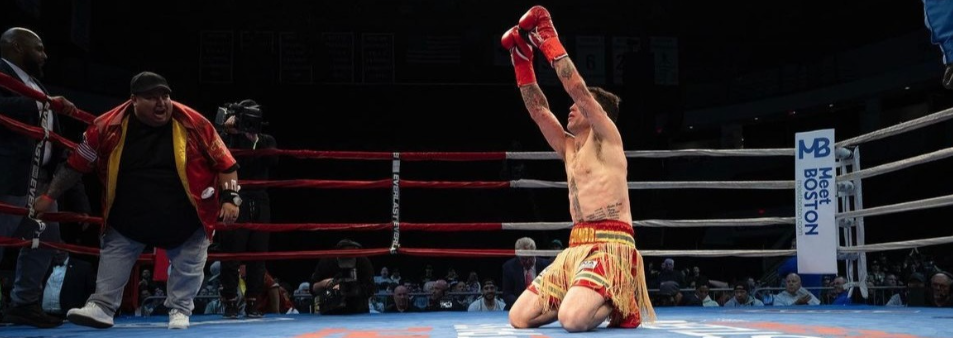
For most of my life, I was fighting both in and out of the ring. As a professional boxer, I trained relentlessly, pushed my body to its limits, and chased the dream of becoming a world champion. But there was one fight I didn’t know how to win, and I was too ashamed to talk about it: my battle with an eating disorder.
“Is Your Baby Worth It?”: How Compassionate, Mother-First Care in the Treatment of Maternal Eating Disorders Can Make or Break Recovery

How do mothers with eating disorders navigate seeking treatment and recovery in a culture that can shame mothers with mental illness and praise an “ideal,” selfless mother? In my experience, it is not easy.
Homeostasis to Homecoming: A Science Teacher’s Experiment in Self-Worth
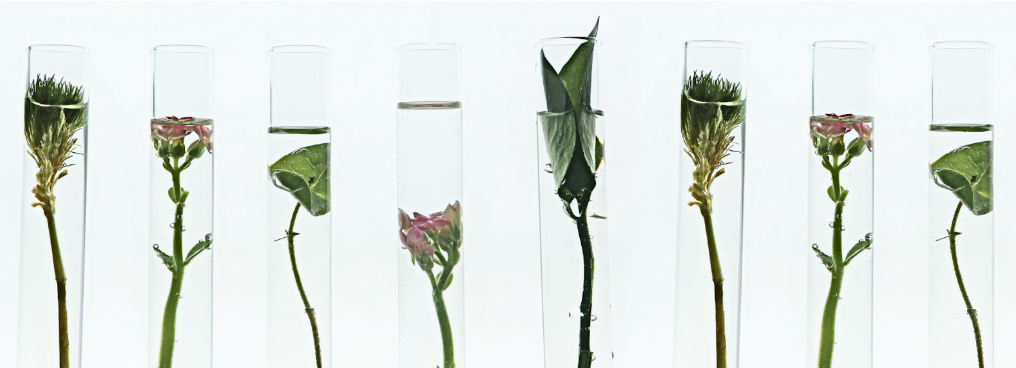
For years, I treated my body like an equation to be solved—believing that worthiness was measured in calories, discipline, and shrinking numbers. I ignored hunger cues, dismissed exhaustion, and thought control was the path to balance.
When Trauma and Eating Disorders Collide: Understanding and Healing the Hidden Connections
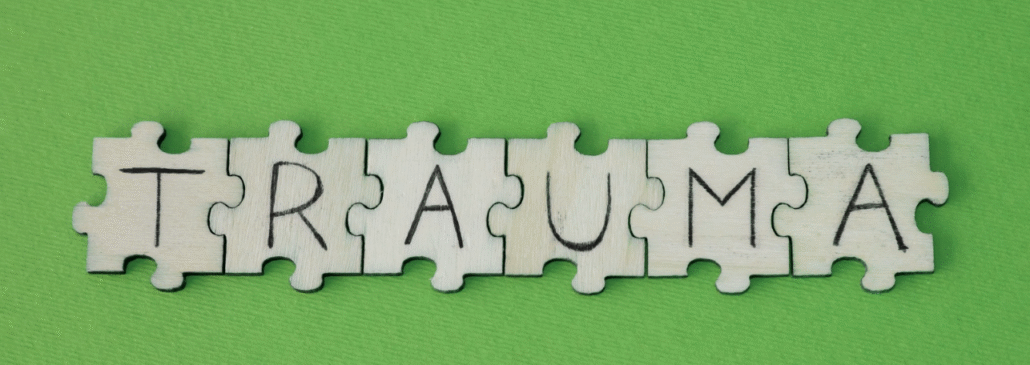
Eating disorders are often misunderstood as being solely about food or body image. In reality, they are complex mental health conditions deeply intertwined with emotional pain, self-perception, and, in many cases, trauma. While not all eating disorders stem from traumatic experiences, the intersection of the two is undeniable.
NEDA Awards Grants to Researchers Advancing Eating Disorder Treatment and Access to Care
The National Eating Disorders Association (NEDA) announced today the recipients of its latest round of Feeding Hope Fund grants, awarding a total of $225,000 to researchers dedicated to advancing eating disorder treatment and expanding access to care. These grants support innovative studies that address critical gaps in early intervention, clinician education, and treatment for under-treated populations—key factors in improving outcomes.
Twelve and Diagnosed: My Journey with an Eating Disorder
When I was growing up, I had no idea what an eating disorder was. My family didn’t either. Me and my family were extremely focused on school, holidays, and everyday life, far from the medical terms and the complexities that would eventually define my world.
NEDA and International Women’s Day
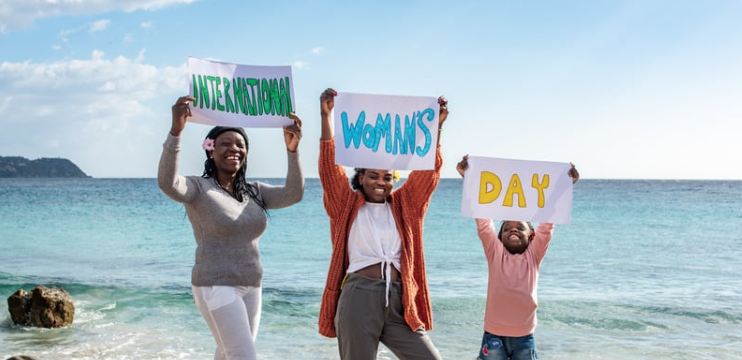
I have no doubt about the connections between the need for International Women’s Day and for NEDA. Over time, IWD has gradually increased the opportunities for women, thereby leveling the playing field so women will have power and influence equal to men. With that, women will be less drawn to the false promise that changing our bodies will assure us self-worth, social acceptance, and personal power.
The Silent Struggles of Eating Disorders: My Journey and the Urgency of Early Detection
Have you ever felt like the world around you was shaping how you saw yourself?
For many of us, these influences go unnoticed until they start impacting our well-being. Eating disorders are a profound example of this—a silent struggle that too often goes unseen and untreated. Today, I want to share my journey and why early detection is not just important but can be life changing.
From Athlete’s Pressure to Eating Disorder Recovery
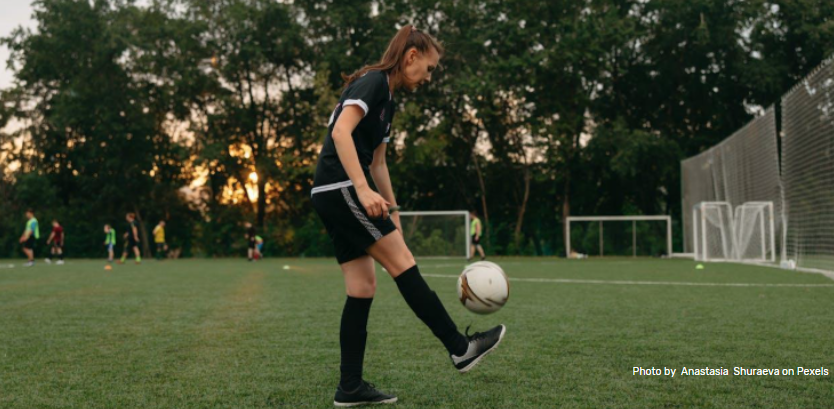
What happens when the drive to succeed as an athlete turns into something harmful? Soccer has been a part of my life for as long as I can remember. I started playing when I was 5, and the sport quickly became my world. By the time I got to college, soccer wasn’t just a passion but part of my identity.
Anybody Can be a Sick Body

When I first became sick with my eating disorder, I was 11 years old. I didn’t choose to get sick because eating disorders are never a choice, but it was a coping mechanism that came out during a challenging time in my life. My parents were divorced and the strict visitation schedule took a toll on me. I needed a friend and anorexia was more than willing.